Uncategorized
( By New Indian Era Teams)

From Policy Documents to Ground Reality:

The New Direction of the ‘Ambedkar Fellowship’
A government welfare scheme may appear comprehensive on paper, with clearly defined beneficiaries, budgetary allocations, eligibility criteria, application procedures and administrative mechanisms. But once a policy moves from government files to the ground, a more fundamental question arises:
Does the intended benefit actually reach the people for whom the scheme was designed?
It is this gap between policy intent and lived experience that the newly launched Ambedkar Fellowship in Pune seeks to examine.
Inspired by the principles of equality, dignity and social empowerment associated with Bharat Ratna Dr. B. R. Ambedkar, the eight-week offline fellowship aims to take young researchers beyond libraries, classrooms, government reports and statistical databases and into communities.
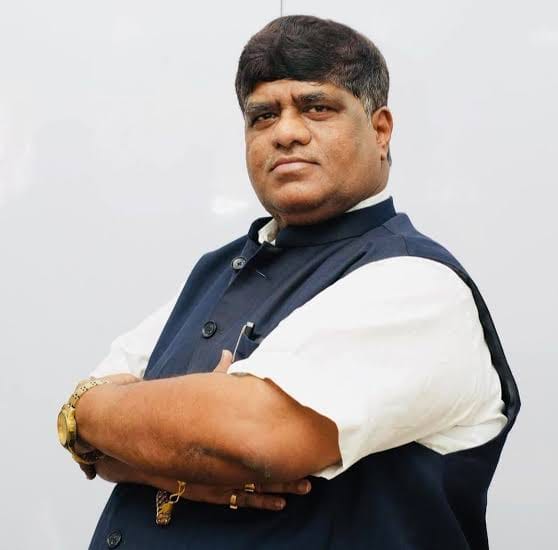
The objective is to understand how welfare policies function on the ground, identify barriers that prevent citizens from accessing benefits and develop evidence-based recommendations to strengthen implementation, said Dr Hulgesh Chalwadi, state vice president of Republican Party of India ( Athawale group).
The fellowship thus seeks to position research as a bridge between policy design and people’s everyday experiences.
When a Scheme Exists on Paper but Not in People’s Lives
Governments devote considerable resources to designing and implementing welfare programmes. Financial allocations are made, eligibility conditions are prescribed, administrative procedures established and responsibilities assigned to various departments.
For citizens, however, accessing these benefits can be a far more complicated journey.
A potential beneficiary may be unaware that a particular scheme exists. Even when information is available, required documents may be difficult to obtain. Application procedures can be complex, while citizens may be uncertain about where to apply, whom to approach or how to track their application.
Administrative delays, coordination gaps between departments and repeated visits to government offices can further complicate the process.
The result can be a significant gap between entitlement and actual access.
The Ambedkar Fellowship proposes to examine this journey in detail—from the provisions contained in a policy document to the experience of the citizen seeking to access it.
From Reading Documents to Listening to Citizens
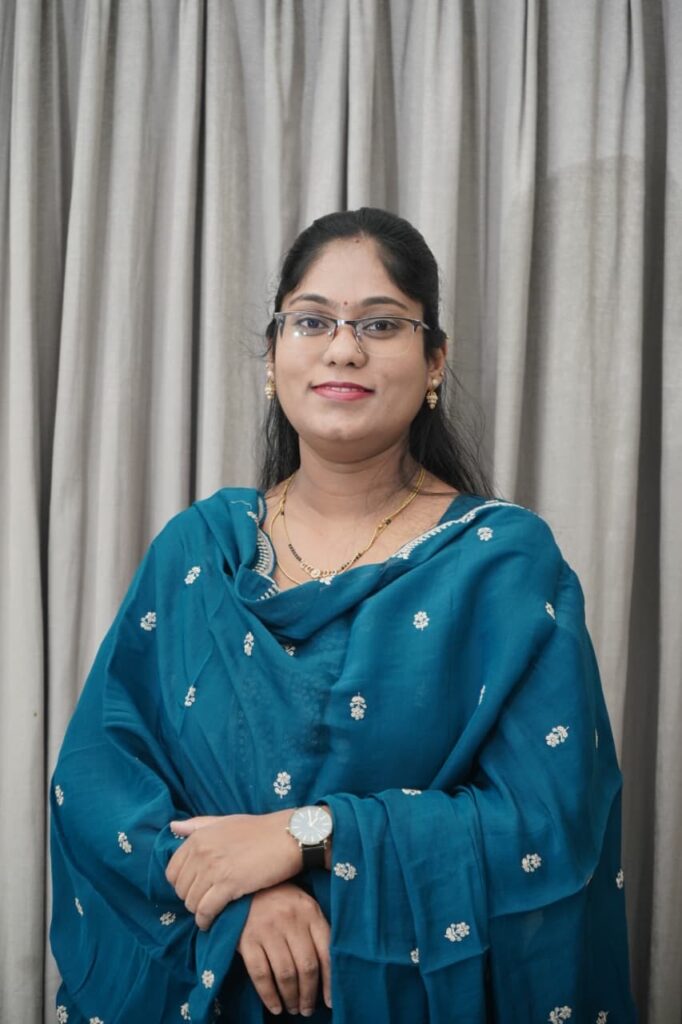
Researchers participating in the fellowship will study selected welfare schemes of the Union Government, the Maharashtra Government and the Pune Municipal Corporation, said Renuka Chalwadi.
The initial phase will focus on understanding the objectives of these schemes, eligibility criteria, budgetary provisions, implementation guidelines and administrative structures.
The research, however, will extend beyond official documents.
Participants will undertake field visits to selected areas of Pune and interact with beneficiaries, residents, community representatives, social-sector professionals, elected representatives and officials associated with implementation.
Such field-based research can provide a perspective that complements official data. A scheme may have a designated budget and administrative framework, yet beneficiaries may remain excluded because of inadequate awareness, documentation challenges or procedural barriers.
In other cases, a scheme may be accessible in principle but difficult to navigate in practice.
The fellowship therefore places emphasis not only on data, but also on lived experience—the real-world experiences of citizens who interact with public institutions and welfare systems, she said.
An Eight-Week Research Journey
The fellowship has been designed as an eight-week research journey, with each stage building upon the previous one.
Weeks 1 and 2: Participants will be introduced to fundamental concepts of social justice and public policy. They will study selected government schemes while learning the basics of field research, information gathering and documentation.
Weeks 3 and 4: Researchers will move into the field, visiting selected communities and interacting with beneficiaries and residents. Their work will focus on documenting experiences, difficulties, expectations and interactions with public institutions.
Weeks 5 and 6: The focus will shift to analysis. Field findings will be examined alongside policy provisions and administrative procedures, with attention to beneficiary awareness, accessibility, application processes, inter-departmental coordination and last-mile delivery.
Weeks 7 and 8: The final phase will focus on drawing conclusions and developing evidence-based recommendations. Participants will present scheme-specific findings and submit detailed field research reports, said Shreya Mishra.
Beyond Identifying Problems
A key feature of the fellowship is its emphasis on moving beyond merely identifying implementation gaps.
Researchers will be encouraged to examine why a particular problem occurs and what practical measures could address it.
Can information about welfare schemes be communicated more effectively? Can application procedures be simplified? Can coordination between government departments be strengthened? Can digital systems and local-level mechanisms reduce the need for beneficiaries to make repeated visits to government offices?
Such questions can help transform field research from an academic exercise into a potential resource for administrators and policymakers.
The emphasis on evidence-based recommendations also gives young researchers an opportunity to examine how research can contribute to improving public service delivery.
Connecting Ambedkar’s Ideas with Contemporary Governance
Dr. B. R. Ambedkar’s contribution to social justice extended beyond formal equality before the law. Dignity, equal opportunity and social empowerment formed important elements of his vision of an inclusive society.
In the context of today’s welfare state, these principles raise a contemporary question: It is one thing for citizens to have rights, laws and welfare schemes; how effectively can they access and exercise them?
The Ambedkar Fellowship seeks to explore this question by placing citizens and communities at the centre of policy research.
Its approach is based on the premise that effective social justice involves not only the creation of policies, but also an understanding of the institutional and social conditions that determine how those policies are experienced by citizens, said Dr Hulgesh Chalwadi who has taken the initiative of the Ambedkar Fellowship research.
Why Pune Matters
Pune provides a relevant setting for field-based research of this nature.
As a rapidly expanding urban centre, the city brings together communities from diverse economic and social backgrounds. Awareness of welfare programmes, access to public services and interactions with government institutions can vary across neighbourhoods and communities.
Ward-level and community-level studies can help researchers document these variations. While government statistics can provide a broad picture, the experience of an individual family or beneficiary can provide the human context necessary to understand what those numbers represent on the ground.
Pune can therefore offer a useful setting for examining the relationship between public policy and everyday life, said Renuka.
A Practical School for Young Researchers
The fellowship is open to undergraduate and postgraduate students, PhD researchers, social-sector professionals and young people interested in public policy and research. Knowledge of Marathi is required for fieldwork.
For participants, the programme is designed to provide practical exposure to research beyond the classroom.
They will have an opportunity to connect academic concepts with community realities, frame research questions, verify information, record observations, analyse evidence and translate findings into policy recommendations, mishra said.
These are practical skills that are difficult to acquire through textbooks alone.
The Real Test Begins After the Fellowship
The long-term value of a research initiative is determined not only by the quality of its reports, but also by how effectively the knowledge generated through the process can inform public understanding and policy implementation.
If findings from the Ambedkar Fellowship reach policymakers and implementing agencies, they could provide field-level insights into challenges faced by beneficiaries and areas requiring greater attention.
The fellowship is being led and mentored by Union Minister of State for Social Justice and Empowerment and Republican Party of India (A) president Ramdas Athawale, along with Dr. Hulgesh Chalwadi, Maharashtra vice-president of the Republican Party of India (A).
Dr Chalwadi said that applications and further information are available through ambedkarfellowship2026@gmail.com.

Education Should Go Beyond Earning Money, Contribute to Society: Tamil Nadu Governor Arlekar
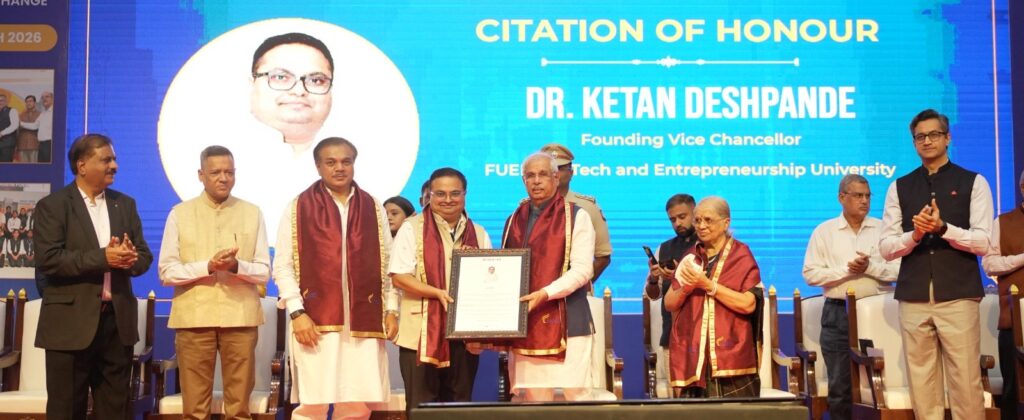
Pune, October 24: Education should not be limited to securing a good job, earning a lucrative salary or achieving financial prosperity, but must also equip students to contribute to society and help the underprivileged, Tamil Nadu Governor Rajendra Arlekar said on Saturday.
Addressing the 20th foundation day and second convocation ceremony of Friends Union for Energising Lives (FUEL) in Pune, Arlekar emphasised that students must use their knowledge and skills to address social challenges and develop a sense of responsibility towards society while building their own careers.
Degrees and certificates alone do not define the success of education; their real value lies in how students apply their knowledge in practical life and contribute to the welfare of others, he said.
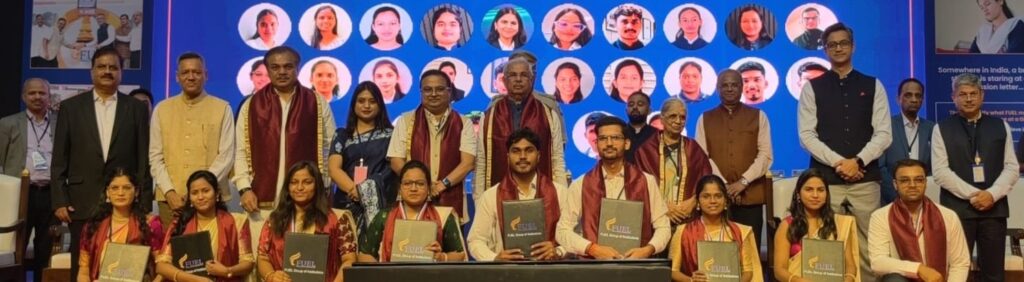
During the ceremony, degrees were awarded to students from the management batch of 2024-26 and various CSR-supported certificate programmes. The occasion also marked the formal announcement of the launch of FUEL SkillTech University, Pune.
Arlekar recalled his experiences from student life and questioned whether academic excellence, high salaries, expensive cars and luxurious houses should be considered the ultimate achievements of education.
He stressed that education must also focus on developing good human beings who are sensitive to the needs of society.
He urged students to translate the ideas they hear into action rather than confining themselves to attending speeches and academic programmes.
Arlekar called for integrating academic education with practical skills, industry collaboration and entrepreneurship to prepare young people for the world of work.
Hee stressed the need to develop job creators rather than merely job seekers, enabling youth to become self-reliant and contribute to national development.
FUEL chairman and vice-chancellor Ketan Deshpande said the organisation had completed 20 years of work focused on providing skill-based education and employment opportunities to young people. He credited former President A P J Abdul Kalam’s guidance with helping shape the institution’s vision.
Deshpande said 80 percent of students from the 2022-26 batch had secured employment opportunities, adding that their salaries were twice their families’ annual incomes.
The institution plans to expand its educational offerings in areas such as data science and finance in collaboration with industry partners.
He said industry-linked education remained a key feature of FUEL’s approach, enabling students to acquire skills relevant to changing employment requirements.
Ganesh Mohan, managing director of Bajaj Finserv Asset Management Ltd, said technological advancements did not necessarily eliminate jobs but could accelerate work processes and create new employment opportunities.
As industries and manufacturing processes evolve with changing technologies, students must remain adaptable, choose work that benefits others, develop leadership qualities before assuming positions of authority and preserve human relationships in an increasingly technology-driven world, he said.
Meanwhile, Allcargo Group Chairman Shashi Kiran Shetty expressed interest in signing a memorandum of understanding (MoU) with FUEL to establish a School of Logistics and strengthen industry-academia collaboration, opening up further opportunities for young people.
FUEL vice-chancellor Dr Shulabha Deshpande and Pratyush Mehrotra, president and chief operating officer of SBI Foundation and Mayuri Deshpande were among those present.
Dr Prachi Aherrao conducted the proceedings, while Prof Mayuri Deshpande proposed the vote of thanks.

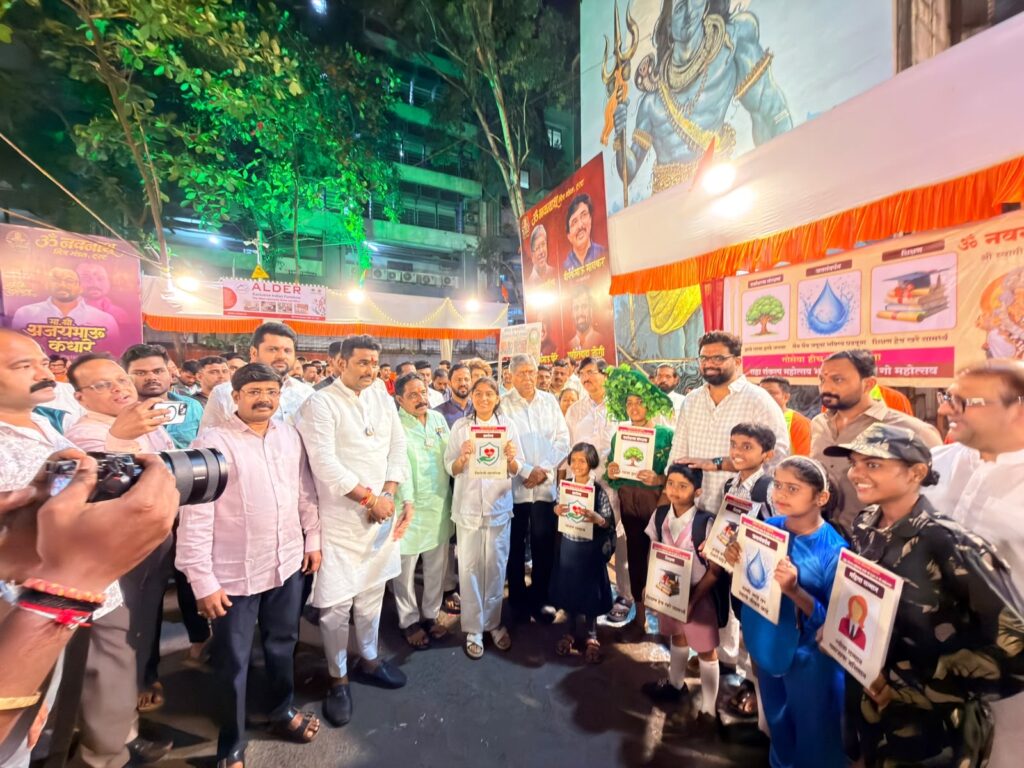
Pune, Sep 19: The Om Navnath Mitra Mandal Trust, Erandwane Gaothan, organised a special community cow worship and Go-Seva programme under the theme “Six Cows – Six Social Commitments”, highlighting social responsibility alongside the tradition of serving cows.
Maharashtra Higher and Technical Education Minister Chandrakant Patil, former Pune Deputy Mayor Deepak Mankar and Maharashtra Go-Seva Commission Chairman Shekharji Mundada were among those present at the event.
The programme began with Ganesh pujan and lighting of the ceremonial lamp, followed by cow worship and Go-Seva by the dignitaries. Six social commitments focusing on environmental protection, water conservation, education, healthcare, women’s dignity, and maintaining a clean and green environment were highlighted during the programme.
Children presented the significance of the six commitments through placards, costumes and social messages. Slogans including “Plant Trees, Save Trees”, “Save Every Drop”, “Every Child Must Be Educated”, “Healthy Citizens – Empowered Society”, “Respect for Women – Pride of Society” and “Clean Surroundings – Beautiful Surroundings” were used to convey messages of social responsibility.
Speaking on the occasion, Chandrakant Patil said Go-Seva was not only a tradition rooted in Indian culture but also a means of promoting compassion and a spirit of service. He stressed the need to connect social causes such as environmental protection, water conservation, education, healthcare, women’s dignity and social unity with public celebrations.
He said presenting these messages through children would help take the values of social responsibility to the next generation. He described the initiative as a meaningful effort to bring together faith and social commitment.
The dignitaries were felicitated with shawls, coconuts and bouquets. Citizens, women, youth and children participated enthusiastically in the programme.
Former corporator Deepak Pote, corporator Punit Joshi, corporator Sunil Pandey, corporator Mitali Kuldeep Sawalekar, corporator Manjushree Sandeep Khardekar, former corporator Jayant Bhave, Mandar Balkawade, Mangesh Kharate, Sachin Jamge and Prachi Shah were among those present.
The programme concluded with the message, “Six Cows • Six Commitments • One Beautiful Society.”
Yogesh Supekar conducted the programme. Om Navnath Mitra Mandal Trust office-bearers and members, including Ajay Bhau Kandhare, Vinod Bhau Bhole, president Prasad Ranpise, trustee Shantanu Khilare, Tejas Vashiwale, Mauli Dhebe, Ajinkya Niwangune, Madhukar Kale, Mayur Ekande, Ganesh Khilare, Ganesh Shirke, Mulshi Disaster Management’s Pappu Kandhare and his team, along with Go-Sevaks and local residents, contributed to the successful organisation of the event.

Uncategorized
Ambedkar Fellowship Announced in Pune to Focus on Social Justice, Policy Research and Field Studies
( By New Indian Era teams Maharashtra)

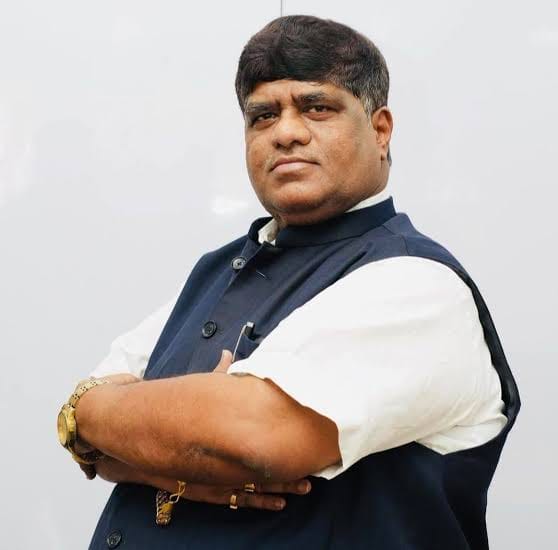
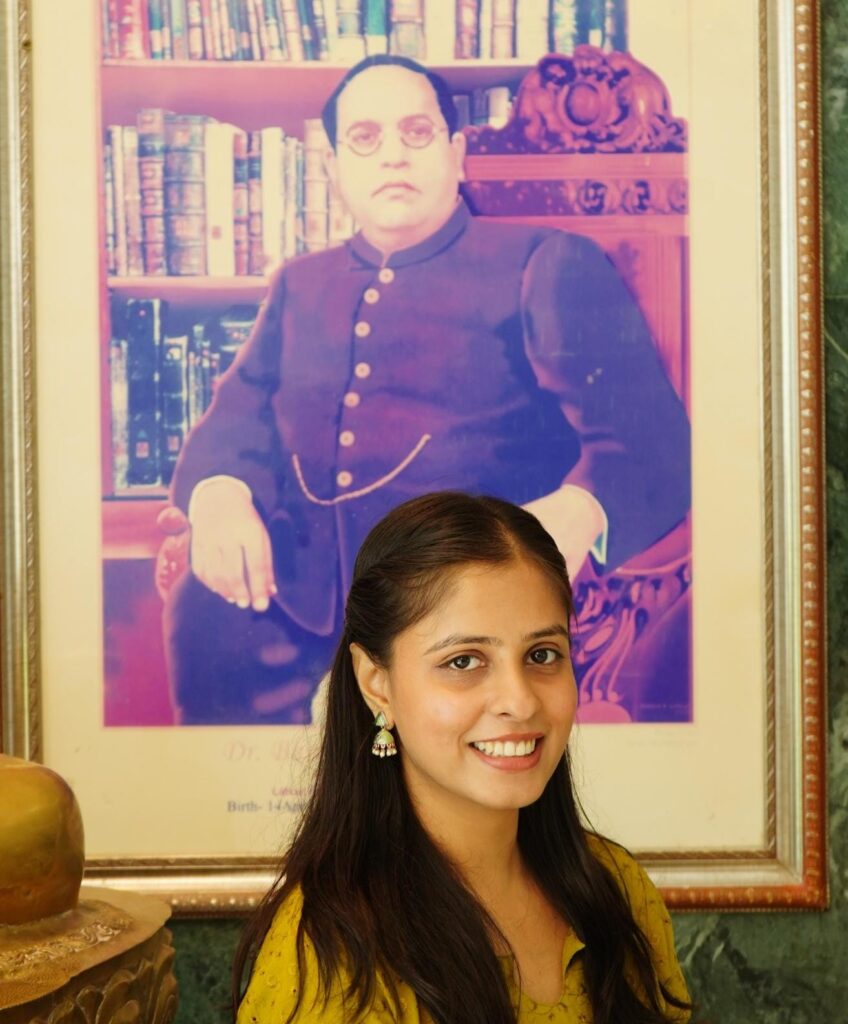
Pune, September 19: A two-month offline ‘Ambedkar Fellowship’, inspired by the ideals of equality, dignity and social empowerment championed by Bharat Ratna Dr. B.R. Ambedkar, has been announced in Pune.
The fellowship is being organised under the guidance of Republican Party of India (Athawale) national president and Union Social Justice Minister Ramdas Athawale, with the initiative of party state vice-president Dr Hulgesh Chalwadi. The programme will provide young researchers an opportunity to engage with elected representatives, government institutions and various communities and undertake policy research, field studies and evidence-based policy recommendations, said Renuka Chalwadi, planning head of the project.
The fellowship will focus on selected welfare schemes implemented by the Central Government, Maharashtra Government and the Pune Municipal Corporation. Fellows will study the gap between the design of government schemes and their actual implementation, difficulties faced by beneficiaries and obstacles that prevent welfare measures from reaching the last mile, project coordinator Shreya Mishra said.
The programme is open to young people interested in social justice, public policy, research and grassroots governance. Undergraduate and postgraduate students, PhD scholars, researchers and young professionals working in or interested in the social sector can apply, Dr Chalwadi said.
Knowledge of Marathi will be expected to facilitate field interactions and research.
The eight-week fellowship programme has been structured in four phases. During the first two weeks, fellows will be introduced to social justice and public policy and will study selected welfare schemes, relevant guidelines, budgets and beneficiary groups. They will also receive training in field research and data collection.
During the third and fourth weeks, fellows will undertake field visits to selected areas of Pune and interact with beneficiaries, communities and local stakeholders. Their research will document the experiences of citizens and difficulties encountered while accessing government schemes and services, said Renuka Chalwadi.
The fifth and sixth weeks will focus on comparing the provisions of welfare schemes with their actual implementation on the ground. Fellows will identify gaps relating to public awareness, access to schemes, service delivery and coordination, and formulate practical measures to address these issues.
During the final two weeks, the findings from the research and field studies will be consolidated and scheme-wise, evidence-based recommendations will be prepared, said Mishra.
The recommendations will subsequently be presented before the leadership of the fellowship.
At the conclusion of the programme, fellows will prepare a detailed field research report covering implementation gaps, beneficiary experiences and ward-wise observations. The report will also suggest measures to improve awareness, accessibility, coordination and last-mile delivery of welfare schemes.


First Marathi Literary Conference in South India to be Held in Thanjavur on September 23

Medical assistance cell set up for needy patients in Pune
Ambedkar Fellowship Announced in Pune to Focus on Social Justice, Policy Research and Field Studies

Dhruv global school students win national classical dance competitions

The Schools of India Education Summit 2026 to be held in Khopoli from October 30
-
Uncategorized2 months ago
Ambedkar Fellowship Announced in Pune to Focus on Social Justice, Policy Research and Field Studies
-
 Education2 months ago
Dhruv global school students win national classical dance competitions
-
 Education2 months ago
The Schools of India Education Summit 2026 to be held in Khopoli from October 30
-

 festival religious2 months ago
Dagdusheth Ganpati to feature Prem Mandir replica in Pune
-

 National2 months ago
HM Amit Shah Announces Uniform Civil Code Rollout Across NDA States
-
 Education2 months ago
First Marathi Literary Conference in South India to be Held in Thanjavur on September 23
-
 Maharashtra2 months ago
FUEL SkillTech University Unveils Logo, Signs MoU with JIT in Nagpur
-
 Maharashtra2 months ago
Medical assistance cell set up for needy patients in Pune