Uncategorized
Ambedkar Fellowship Announced in Pune to Focus on Social Justice, Policy Research and Field Studies

( By New Indian Era teams Maharashtra)


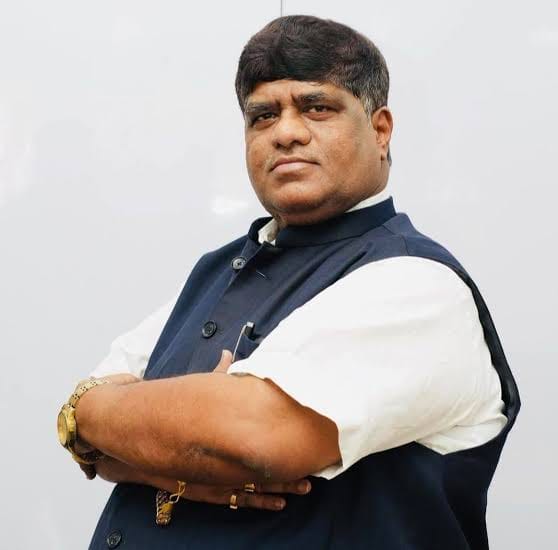


Pune, September 19: A two-month offline ‘Ambedkar Fellowship’, inspired by the ideals of equality, dignity and social empowerment championed by Bharat Ratna Dr. B.R. Ambedkar, has been announced in Pune.
The fellowship is being organised under the guidance of Republican Party of India (Athawale) national president and Union Social Justice Minister Ramdas Athawale, with the initiative of party state vice-president Dr Hulgesh Chalwadi. The programme will provide young researchers an opportunity to engage with elected representatives, government institutions and various communities and undertake policy research, field studies and evidence-based policy recommendations, said Renuka Chalwadi, planning head of the project.
The fellowship will focus on selected welfare schemes implemented by the Central Government, Maharashtra Government and the Pune Municipal Corporation. Fellows will study the gap between the design of government schemes and their actual implementation, difficulties faced by beneficiaries and obstacles that prevent welfare measures from reaching the last mile, project coordinator Shreya Mishra said.
The programme is open to young people interested in social justice, public policy, research and grassroots governance. Undergraduate and postgraduate students, PhD scholars, researchers and young professionals working in or interested in the social sector can apply, Dr Chalwadi said.
Knowledge of Marathi will be expected to facilitate field interactions and research.
The eight-week fellowship programme has been structured in four phases. During the first two weeks, fellows will be introduced to social justice and public policy and will study selected welfare schemes, relevant guidelines, budgets and beneficiary groups. They will also receive training in field research and data collection.
During the third and fourth weeks, fellows will undertake field visits to selected areas of Pune and interact with beneficiaries, communities and local stakeholders. Their research will document the experiences of citizens and difficulties encountered while accessing government schemes and services, said Renuka Chalwadi.
The fifth and sixth weeks will focus on comparing the provisions of welfare schemes with their actual implementation on the ground. Fellows will identify gaps relating to public awareness, access to schemes, service delivery and coordination, and formulate practical measures to address these issues.
During the final two weeks, the findings from the research and field studies will be consolidated and scheme-wise, evidence-based recommendations will be prepared, said Mishra.
The recommendations will subsequently be presented before the leadership of the fellowship.
At the conclusion of the programme, fellows will prepare a detailed field research report covering implementation gaps, beneficiary experiences and ward-wise observations. The report will also suggest measures to improve awareness, accessibility, coordination and last-mile delivery of welfare schemes.